
Middlefield (860) 349-8500
Wallingford (203) 294-4977


Middlefield (860) 349-8500
Wallingford (203) 294-4977
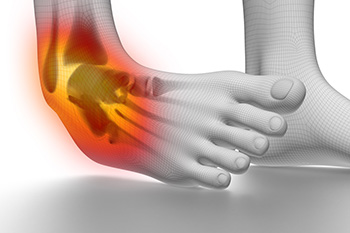
Ankle sprains are a frequent injury that can occur due to various factors. Wearing high heels often causes instability in the foot, making it easier to twist or roll the ankle, especially when walking on uneven surfaces. Rough terrain activities, such as hiking or running on rocky or uneven ground, increase the risk of rolling the ankle and straining ligaments. Uncomfortable landings, particularly in sports or other physical activities, can cause sudden twists or bends in the ankle, leading to sprains. Chronic instability, whether from previous sprains or weak ankle muscles, can make the ankle more prone to reinjury. Wearing more supportive footwear, strengthening the ankle muscles, and being cautious on uneven ground can help prevent sprains. An ankle sprain can cause severe pain and discomfort, causing difficulty in completing daily activities. If you have sustained this type of injury, it is suggested that you promptly seek guidance from a podiatrist who can effectively treat this condition.
Although ankle sprains are common, they aren’t always minor injuries. If you need your ankle injury looked at, contact Dr. Gordon Fosdick from Affiliated Foot Care Center. Our doctor can provide the care you need to keep you pain-free and on your feet.
How Does an Ankle Sprain Occur?
Ankle sprains are the result of a tear in the ligaments within the ankle. These injuries may happen when you make a rapid shifting movement while your foot is planted. A less common way to sprain your ankle is when your ankle rolls inward while your foot turns outward.
What Are the Symptoms?
Preventing a Sprain
Treatment of a Sprain
In many cases, the RICE method (Rest, Ice, Compression, and Elevate) is used to treat ankle sprains. However, you should see a podiatrist to see which treatment option would work best with your injury. In severe cases, surgery may be required.
It is important to ask your doctor about rehab options after you receive treatment for your injury. Stretching, strength training, and balance exercises may help the ankle heal while also preventing further injury.
If you have any questions, please feel free to contact our offices located in Middlefield and Wallingford, CT . We offer the newest diagnostic and treatment technologies for all your foot care needs.

Cycling places repetitive stress on the feet and ankles, leading to various injuries and discomfort. Plantar fasciitis can develop from excessive pressure on the arch, causing heel pain and stiffness. Numbness in the feet may result from nerve compression due to prolonged pressure or improper positioning on the pedals. Metatarsalgia, a condition that causes pain in the ball of the foot, can occur from excessive force on the forefoot during pedaling. Poor shoe fit is a common cause of these issues, as tight or rigid shoes restrict movement and circulation, while loose shoes fail to provide adequate support. Proper footwear, cleat positioning, and adjusting saddle height can help prevent these injuries. Strengthening exercises and stretching can also improve foot stability and reduce strain during cycling. If you have sustained a foot or ankle injury from cycling, it is suggested that you consult a podiatrist who can offer effective treatment remedies, and guide you on additional injury prevention tips.
Sports related foot and ankle injuries require proper treatment before players can go back to their regular routines. For more information, contact Dr. Gordon Fosdick of Affiliated Foot Care Center. Our doctor can provide the care you need to keep you pain-free and on your feet.
Sports Related Foot and Ankle Injuries
Foot and ankle injuries are a common occurrence when it comes to athletes of any sport. While many athletes dismiss the initial aches and pains, the truth is that ignoring potential foot and ankle injuries can lead to serious problems. As athletes continue to place pressure and strain the area further, a mild injury can turn into something as serious as a rupture and may lead to a permanent disability. There are many factors that contribute to sports related foot and ankle injuries, which include failure to warm up properly, not providing support or wearing bad footwear. Common injuries and conditions athletes face, including:
Sports related injuries are commonly treated using the RICE method. This includes rest, applying ice to the injured area, compression and elevating the ankle. More serious sprains and injuries may require surgery, which could include arthroscopic and reconstructive surgery. Rehabilitation and therapy may also be required in order to get any recovering athlete to become fully functional again. Any unusual aches and pains an athlete sustains must be evaluated by a licensed, reputable medical professional.
If you have any questions please feel free to contact our offices located in Middlefield and Wallingford, CT . We offer the newest diagnostic and treatment technologies for all your foot and ankle needs.
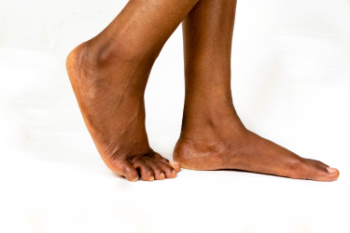
Flat feet often get a bad reputation, but having low or no arches is not necessarily a medical issue. Many people with flat feet experience no pain, move just fine, and never need treatment. In fact, arches vary widely. Some people have naturally lower arches, and that is perfectly normal. One common myth is that flat feet always cause pain or lead to joint problems. While some people may develop discomfort due to wearing improper footwear or overuse, many with flat feet live pain-free. Another myth is that everyone with flat feet needs orthotics. In reality, treatment is only needed if symptoms arise, such as pain, fatigue, or instability. However, if you have painful flat feet, and it is affecting your mobility, it is suggested that you see a podiatrist for intervention.
Flatfoot is a condition many people suffer from. If you have flat feet, contact Dr. Gordon Fosdick from Affiliated Foot Care Center. Our doctor will treat your foot and ankle needs.
What Are Flat Feet?
Flatfoot is a condition in which the arch of the foot is depressed and the sole of the foot is almost completely in contact with the ground. About 20-30% of the population generally has flat feet because their arches never formed during growth.
Conditions & Problems:
Having flat feet makes it difficult to run or walk because of the stress placed on the ankles.
Alignment – The general alignment of your legs can be disrupted, because the ankles move inward which can cause major discomfort.
Knees – If you have complications with your knees, flat feet can be a contributor to arthritis in that area.
Symptoms
Treatment
If you are experiencing pain and stress on the foot you may weaken the posterior tibial tendon, which runs around the inside of the ankle.
If you have any questions please feel free to contact our offices located in Middlefield and Wallingford, CT . We offer the newest diagnostic and treatment technologies for all your foot and ankle needs.

Have your child's feet been examined lately? Healthy feet are happy feet. If your child is complaining of foot pain, it may be a sign of underlying problems.
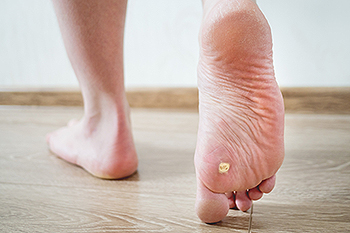
Plantar warts develop on the bottom of the foot due to exposure to the human papillomavirus, or HPV, often found in warm, damp environments. Some plantar warts resolve on their own, but others may require treatment. It is important to seek professional care, as attempting to remove a plantar wart at home improperly can damage healthy skin and increase discomfort. A podiatrist can provide several options, including applying salicylic acid to break down the wart over time or using cryotherapy to freeze it off with liquid nitrogen. If the wart is persistent, additional treatments may be necessary. Among them are curettage to remove the wart surgically, laser therapy to target the blood vessels feeding the wart, or prescription medication applied directly to the affected area. Plantar warts that are deep or cause pain may require a combination of treatments for effective removal. If you notice an unusual or painful growth on the bottom of your foot, it may indicate a plantar wart, and it is suggested that you schedule an appointment with a podiatrist for an exam, diagnosis, and treatment options.
Plantar warts can be very uncomfortable. If you need your feet checked, contact Dr. Gordon Fosdick from Affiliated Foot Care Center. Our doctor will assist you with all of your foot and ankle needs.
About Plantar Warts
Plantar warts are the result of HPV, or human papillomavirus, getting into open wounds on the feet. They are mostly found on the heels or balls of the feet.
While plantar warts are generally harmless, those experiencing excessive pain or those suffering from diabetes or a compromised immune system require immediate medical care. Plantar warts are easily diagnosed, usually through scraping off a bit of rough skin or by getting a biopsy.
Symptoms
Treatment
To help prevent developing plantar warts, avoid walking barefoot over abrasive surfaces that can cause cuts or wounds for HPV to get into. Avoiding direct contact with other warts, as well as not picking or rubbing existing warts, can help prevent the further spread of plantar warts. However, if you think you have developed plantar warts, speak to your podiatrist. He or she can diagnose the warts on your feet and recommend the appropriate treatment options.
If you have any questions please feel free to contact our offices located in Middlefield and Wallingford, CT . We offer the newest diagnostic and treatment technologies for all your foot and ankle needs.



 Affiliated Foot Care Center - Default