
Middlefield (860) 349-8500
Wallingford (203) 294-4977


Middlefield (860) 349-8500
Wallingford (203) 294-4977
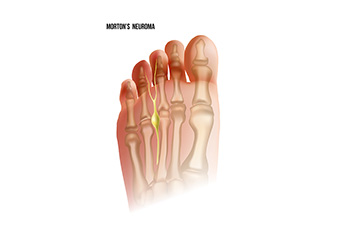
Nerve pain in the feet, such as Baxter’s neuropathy and Morton’s neuroma, can cause significant discomfort and difficulty walking. Baxter’s neuropathy occurs when the lateral plantar nerve in the heel becomes compressed, leading to sharp, burning, or tingling pain in the bottom of the foot. Morton’s neuroma, on the other hand, is a thickening of tissue surrounding the nerve between the toes, often causing pain, numbness, or a feeling of walking on a pebble. Both conditions are more common in older adults due to age-related changes in the feet, such as reduced circulation or factors that affect nerve health, such as wearing tight shoes, arthritis, or diabetes. Treatment for both conditions includes wearing proper footwear, using custom orthotics, taking anti-inflammatory medications, and performing targeted exercises. In severe cases, injections or surgery may be necessary. If you are experiencing persistent foot pain, it is suggested that you schedule an appointment with a podiatrist for a proper diagnosis and tailored treatment plan.
Neuropathy
Neuropathy can be a potentially serious condition, especially if it is left undiagnosed. If you have any concerns that you may be experiencing nerve loss in your feet, consult with Dr. Gordon Fosdick from Affiliated Foot Care Center. Our doctor will assess your condition and provide you with quality foot and ankle treatment for neuropathy.
What Is Neuropathy?
Neuropathy is a condition that leads to damage to the nerves in the body. Peripheral neuropathy, or neuropathy that affects your peripheral nervous system, usually occurs in the feet. Neuropathy can be triggered by a number of different causes. Such causes include diabetes, infections, cancers, disorders, and toxic substances.
Symptoms of Neuropathy Include:
Those with diabetes are at serious risk due to being unable to feel an ulcer on their feet. Diabetics usually also suffer from poor blood circulation. This can lead to the wound not healing, infections occurring, and the limb may have to be amputated.
Treatment
To treat neuropathy in the foot, podiatrists will first diagnose the cause of the neuropathy. Figuring out the underlying cause of the neuropathy will allow the podiatrist to prescribe the best treatment, whether it be caused by diabetes, toxic substance exposure, infection, etc. If the nerve has not died, then it’s possible that sensation may be able to return to the foot.
Pain medication may be issued for pain. Electrical nerve stimulation can be used to stimulate nerves. If the neuropathy is caused from pressure on the nerves, then surgery may be necessary.
If you have any questions, please feel free to contact our offices located in Middlefield and Wallingford, CT . We offer the newest diagnostic and treatment technologies for all your foot care needs.
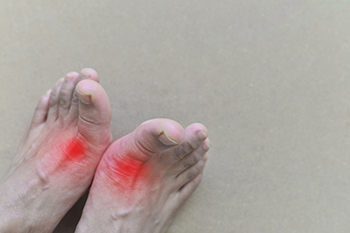
Gout is a form of arthritis characterized by sudden, severe pain, redness, and swelling in the joints, often affecting the big toe. It occurs when uric acid builds up in the body, forming sharp crystals in the joints. Common causes include a diet high in purines which are found in red meat, seafood, and alcohol, as well as obesity, certain medications, and medical conditions like hypertension. Symptoms include intense pain during attacks, which come on suddenly and can last for days. Gout also results in swelling, redness, heat, tenderness, and stiffness in the affected joint. Chronic gout can lead to joint damage if untreated. Treatment options include medications to reduce pain and inflammation, lifestyle changes such as dietary adjustments, and maintaining a healthy weight. A podiatrist can provide specialized care, offering tailored advice and treatments to manage gout effectively. If you are experiencing symptoms of gout, it is suggested that you make an appointment with a podiatrist to discuss your condition and explore comprehensive treatment options.
Gout is a painful condition that can be treated. If you are seeking treatment, contact Dr. Gordon Fosdick from Affiliated Foot Care Center. Our doctor will treat your foot and ankle needs.
What Is Gout?
Gout is a form of arthritis that is characterized by sudden, severe attacks of pain, redness, and tenderness in the joints. The condition usually affects the joint at the base of the big toe. A gout attack can occur at any random time, such as the middle of the night while you are asleep.
Symptoms
Risk Factors
Prior to visiting your podiatrist to receive treatment for gout, there are a few things you should do beforehand. If you have gout you should write down your symptoms--including when they started and how often you experience them, important medical information you may have, and any questions you may have. Writing down these three things will help your podiatrist in assessing your specific situation so that he or she may provide the best route of treatment for you.
If you have any questions, please feel free to contact our offices located in Middlefield and Wallingford, CT . We offer the newest diagnostic and treatment technologies for all your foot care needs.
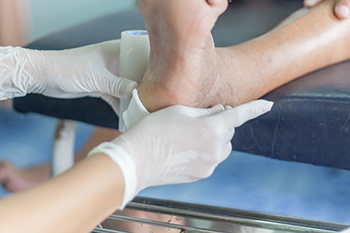
Open wounds on the feet are common injuries that vary in type and severity. Types include abrasions or scrapes, lacerations or deep cuts, punctures, and ulcers. These wounds are prone to infection without proper care, especially since feet are often exposed to bacteria. In severe cases, untreated wounds can lead to complications like cellulitis, abscess formation, and even tissue death that require more intensive intervention. Basic treatment includes cleaning the wound, applying an antiseptic, and covering it with a sterile dressing. Podiatrists may recommend antibiotics for infections, debridement to remove dead tissue, and wound care products to promote healing and prevent complications. If you have a foot wound due to an underlying medical condition like diabetes, or if you notice signs of infection, such as increased redness, swelling, warmth, pus, or worsening pain, it is strongly suggested that you visit a podiatrist for care.
Wound care is an important part in dealing with diabetes. If you have diabetes and a foot wound or would like more information about wound care for diabetics, consult with Dr. Gordon Fosdick from Affiliated Foot Care Center. Our doctor will assess your condition and provide you with quality foot and ankle treatment.
What Is Wound Care?
Wound care is the practice of taking proper care of a wound. This can range from the smallest to the largest of wounds. While everyone can benefit from proper wound care, it is much more important for diabetics. Diabetics often suffer from poor blood circulation which causes wounds to heal much slower than they would in a non-diabetic.
What Is the Importance of Wound Care?
While it may not seem apparent with small ulcers on the foot, for diabetics, any size ulcer can become infected. Diabetics often also suffer from neuropathy, or nerve loss. This means they might not even feel when they have an ulcer on their foot. If the wound becomes severely infected, amputation may be necessary. Therefore, it is of the upmost importance to properly care for any and all foot wounds.
How to Care for Wounds
The best way to care for foot wounds is to prevent them. For diabetics, this means daily inspections of the feet for any signs of abnormalities or ulcers. It is also recommended to see a podiatrist several times a year for a foot inspection. If you do have an ulcer, run the wound under water to clear dirt from the wound; then apply antibiotic ointment to the wound and cover with a bandage. Bandages should be changed daily and keeping pressure off the wound is smart. It is advised to see a podiatrist, who can keep an eye on it.
If you have any questions, please feel free to contact our offices located in Middlefield and Wallingford, CT . We offer the newest diagnostic and treatment technologies for all your foot care needs.

Custom orthotics, or shoe inserts, should be periodically replaced. Orthotics must fit properly to give you the best results. Protect your feet and ankles!
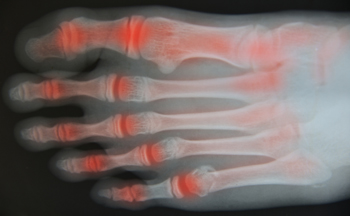
Foot arthritis refers to inflammation of the joints in the foot, leading to pain, stiffness, and swelling. This condition can significantly reduce mobility, making daily activities challenging. Common symptoms include discomfort during movement, increased pain after prolonged standing, and difficulty in walking or wearing shoes. Over time, foot arthritis can lead to decreased range of motion, further impacting a person's ability to engage in social and physical activities, which can diminish their quality of life. There are several types of foot arthritis, including osteoarthritis, which is caused by wear and tear, and rheumatoid arthritis, an autoimmune condition that affects multiple joints. If you have signs of foot arthritis, it is suggested that you confer with a podiatrist who can offer you effective relief and management solutions.
Arthritis can be a difficult condition to live with. If you are seeking treatment, contact Dr. Gordon Fosdick from Affiliated Foot Care Center. Our doctor can provide the care you need to keep you pain-free and on your feet.
Arthritic Foot Care
Arthritis is a term that is commonly used to describe joint pain. The condition itself can occur to anyone of any age, race, or gender, and there are over 100 types of it. Nevertheless, arthritis is more commonly found in women compared to men, and it is also more prevalent in those who are overweight. The causes of arthritis vary depending on which type of arthritis you have. Osteoarthritis for example, is often caused by injury, while rheumatoid arthritis is caused by a misdirected immune system.
Symptoms
Arthritic symptoms range in severity, and they may come and go. Some symptoms stay the same for several years but could potentially get worse with time. Severe cases of arthritis can prevent its sufferers from performing daily activities and make walking difficult.
Risk Factors
If you suspect your arthritis is affecting your feet, it is crucial that you see a podiatrist immediately. Your doctor will be able to address your specific case and help you decide which treatment method is best for you.
If you have any questions, please feel free to contact our offices located in Middlefield and Wallingford, CT . We offer the newest diagnostic and treatment technologies for all your foot care needs.



 Affiliated Foot Care Center - Default