
Middlefield (860) 349-8500
Wallingford (203) 294-4977


Middlefield (860) 349-8500
Wallingford (203) 294-4977

When working in scorching temperatures, protecting your feet is essential for maintaining comfort and preventing heat-related injuries. Begin by choosing appropriate footwear designed for hot conditions, such as lightweight and breathable shoes or boots with moisture-wicking properties. Opt for materials like mesh or perforated leather to facilitate air circulation and keep your feet cool and dry. Additionally, consider wearing moisture-wicking socks to help prevent sweat buildup and reduce the risk of blisters and fungal infections. It is also important to prioritize foot hygiene by washing your feet regularly and changing socks if they become damp. When possible, take breaks in shaded or air-conditioned areas to allow your feet to cool down and rest. Stay hydrated throughout the day to prevent dehydration, which can exacerbate heat-related foot issues. By implementing these simple yet effective strategies, you can ensure that your feet remain protected and comfortable while working in hot environments, promoting overall well-being and productivity. If you sustain heat-related foot injuries or are seeking additional tips about foot protection while working during the summer months, it is suggested that you consult a podiatrist.
While working on the feet, it is important to take the proper care of them. For more information about working on your feet, contact Dr. Gordon Fosdick from Affiliated Foot Care Center. Our doctor will treat your foot and ankle needs.
Working on Your Feet
Standing on your feet for long periods of time can cause stress and pain in your feet. Your whole body may experience change in terms of posture, back pain, bunions, callouses and or plantar warts. There are ways to avoid these conditions with proper foot care, smart choices and correct posture.
Positive Changes
Negative heeled shoe – Choosing this shoe type places the heel slightly lower than the ball of the foot. These are great for overall foot health. Find shoes that fit you correctly.
Go barefoot – Our feet were not designed to be enclosed for all hours of the day. Try to periodically expose your feet to air.
Eliminate Pain
Foot Exercises – Performing simple exercises, incorporating yoga and doing stretches are beneficial. This will allow increased blood flow to the area and muscles of the foot.
Achilles tendon – Stretching the foot out flat on the floor will relax the calf muscles and tendon. These exercises can be performed almost anywhere. Make sure you add these exercises to your daily regimen.
With a little bit of this information and knowing more about foot health, you will notice changes. Foot stretches and proper footwear will help with pain and prevent further issues.
If you have any questions please feel free to contact our offices located in Middlefield and Wallingford, CT . We offer the newest diagnostic and treatment technologies for all your foot and ankle needs.
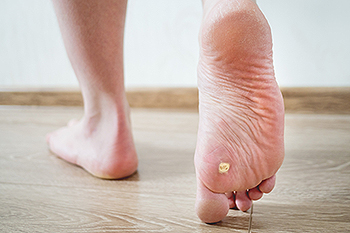
Plantar warts, which affect the bottom of the feet, can resolve naturally or may require treatment. Caused by the human papillomavirus, or HPV, these warts thrive in warm and moist environments, such as locker rooms. HPV enters the body through cuts or scrapes, making those individuals with weakened immune systems more susceptible. Symptoms can include pain, tenderness, and thickened or discolored skin. Diagnosis by a podiatrist is recommended, especially if the wart causes pain or spreads. Treatment options range from salicylic acid to cryotherapy by a podiatrist. Consistency is key, as most treatments can take weeks to be effective. Prevention strategies include wearing protective footwear in shared spaces and considering the HPV vaccine for those under 26. If you or your child suffers from discomfort from a plantar wart, it is suggested that you schedule an appointment with a podiatrist for evaluation and care.
Plantar warts can be very uncomfortable. If you need your feet checked, contact Dr. Gordon Fosdick from Affiliated Foot Care Center. Our doctor will assist you with all of your foot and ankle needs.
About Plantar Warts
Plantar warts are the result of HPV, or human papillomavirus, getting into open wounds on the feet. They are mostly found on the heels or balls of the feet.
While plantar warts are generally harmless, those experiencing excessive pain or those suffering from diabetes or a compromised immune system require immediate medical care. Plantar warts are easily diagnosed, usually through scraping off a bit of rough skin or by getting a biopsy.
Symptoms
Treatment
To help prevent developing plantar warts, avoid walking barefoot over abrasive surfaces that can cause cuts or wounds for HPV to get into. Avoiding direct contact with other warts, as well as not picking or rubbing existing warts, can help prevent the further spread of plantar warts. However, if you think you have developed plantar warts, speak to your podiatrist. He or she can diagnose the warts on your feet and recommend the appropriate treatment options.
If you have any questions please feel free to contact our offices located in Middlefield and Wallingford, CT . We offer the newest diagnostic and treatment technologies for all your foot and ankle needs.

Ankle pain while running can be a frustrating setback for any athlete. Several factors contribute to this discomfort, ranging from overuse injuries to biomechanical issues. Often, runners experience ankle pain due to excessive strain on the ligaments and tendons surrounding the ankle joint. This strain can result from repetitive movements, improper footwear, or inadequate warm-up routines. Additionally, running on uneven surfaces or sudden changes in terrain can exacerbate ankle pain by causing instability and stress on the joints. Poor running form, such as overpronation or supination, may also lead to ankle pain over time. Ignoring early signs of discomfort can worsen the condition and potentially lead to more severe injuries. To prevent ankle pain, runners should prioritize proper footwear, gradual training progressions, and regular stretching exercises to maintain flexibility and strengthen the ankle muscles. If you have developed ankle pain, and feel it may be due to running, it is suggested that you consult a podiatrist who can offer you correct treatment options, in addition to effective preventive techniques.
Ankle pain can have many different causes and the pain may potentially be serious. If you have ankle pain, consult with Dr. Gordon Fosdick from Affiliated Foot Care Center. Our doctor will assess your condition and provide you with quality foot and ankle treatment.
Ankle pain is any condition that causes pain in the ankle. Due to the fact that the ankle consists of tendons, muscles, bones, and ligaments, ankle pain can come from a number of different conditions.
Causes
The most common causes of ankle pain include:
Symptoms
Symptoms of ankle injury vary based upon the condition. Pain may include general pain and discomfort, swelling, aching, redness, bruising, burning or stabbing sensations, and/or loss of sensation.
Diagnosis
Due to the wide variety of potential causes of ankle pain, podiatrists will utilize a number of different methods to properly diagnose ankle pain. This can include asking for personal and family medical histories and of any recent injuries. Further diagnosis may include sensation tests, a physical examination, and potentially x-rays or other imaging tests.
Treatment
Just as the range of causes varies widely, so do treatments. Some more common treatments are rest, ice packs, keeping pressure off the foot, orthotics and braces, medication for inflammation and pain, and surgery.
If you have any questions, please feel free to contact our offices located in Middlefield and Wallingford, CT . We offer the newest diagnostic and treatment technologies for all your foot care needs.

You don't need an excuse to have beautiful nails. Step outside without worrying about the appearance of your feet.

Ankle sprains come in various forms, each accompanied by distinct symptoms that highlight the complexity of this injury. The lateral ankle sprain is the most common, occurring when the foot turns inward,which stretches or tears the ligaments on the outer side of the ankle. Individuals experiencing a lateral sprain may encounter pain, swelling, and difficulty bearing weight on the affected foot. Medial ankle sprains, less frequent but equally impactful, involve damage to the ligaments on the inner side of the ankle, often leading to tenderness and swelling. High ankle sprains affect the ligaments that connect the tibia and fibula, causing pain above the ankle and potentially affecting stability. Regardless of the type of sprain, common symptoms include bruising, limited range of motion, and a feeling of instability. If you have endured an ankle sprain, it is suggested that you visit a podiatrist who can determine which type it is and offer appropriate treatment solutions.
Ankle sprains are common but need immediate attention. If you need your feet checked, contact Dr. Gordon Fosdick from Affiliated Foot Care Center. Our doctor can provide the care you need to keep you pain-free and on your feet.
How Does an Ankle Sprain Occur?
Ankle sprains take place when the ligaments in your ankle are torn or stretched beyond their limits. There are multiple ways that the ankle can become injured, including twisting or rolling over onto your ankle, putting undue stress on it, or causing trauma to the ankle itself.
What Are the Symptoms?
Preventing a Sprain
Treatment of a Sprain
Treatment of a sprain depends on the severity. Many times, people are told to rest and remain off their feet completely, while others are given an air cast. If the sprain is very severe, surgery may be required.
If you have suffered an ankle sprain previously, you may want to consider additional support such as a brace and regular exercises to strengthen the ankle.
If you have any questions please feel free to contact our offices located in Middlefield and Wallingford, CT . We offer the newest diagnostic and treatment technologies for all your foot and ankle needs.



 Affiliated Foot Care Center - Default