
Middlefield (860) 349-8500
Wallingford (203) 294-4977


Middlefield (860) 349-8500
Wallingford (203) 294-4977
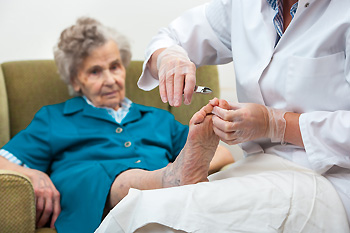 Maintaining proper foot care is essential at any age, and it’s especially important for the elderly population to pay close attention to their feet. Commonly, assistance is often needed to properly trim the toenails because of eyesight concerns or experiencing difficulty in bending down. There are several steps to correctly trimming the toenails, and it’s suggested to start by soaking the feet in a warm bath to aid in softening the nails. It’s wise to thoroughly dry the feet, especially between the toes, and apply a moisturizer that will prevent the skin from cracking. Trimming the toenails straight across the nail bed can prevent ingrown toenails and infections from developing. Please schedule a consultation with a podiatrist for additional information on how to care for elderly feet.
Proper foot care is something many older adults forget to consider. If you have any concerns about your feet and ankles, contact Dr. Gordon Fosdick from Affiliated Foot Care Center. Our doctor can provide the care you need to keep you pain-free and on your feet.
The Elderly and Their Feet
As we age we start to notice many changes in our body, but the elder population may not notice them right away. Medical conditions may prevent the elderly to take notice of their foot health right away. Poor vision is a lead contributor to not taking action for the elderly.
Common Conditions
Susceptible Infections
Diabetes and poor circulation can cause general loss of sensitivity over the years, turning a simple cut into a serious issue.
If you have any questions please feel free to contact our offices located in Middlefield and Wallingford, CT . We offer the newest diagnostic and treatment technologies for all your foot and ankle needs.
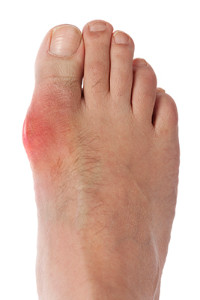 If you feel severe pain in your toe and it looks swollen and red, you may have a condition referred to as gout. This ailment is triggered by a buildup of uric acid in the blood, causing small crystals to form and lodge in the joints of the big toe. This tends to result in inflammation, and it can cause severe pain. The symptoms may be erratic and can last for a few days before disappearing for long periods of time. Recent research suggests that causes of this condition may include a diet consisting of excess red meat, shellfish, and large amounts of alcohol, in addition to experiencing poor kidney function. Contributing factors for this ailment may include having high blood pressure and being overweight. If you experience a gout attack, please schedule a consultation with a podiatrist for additional information and correct treatment options.
Gout is a foot condition that requires certain treatment and care. If you are seeking treatment, contact Dr. Gordon Fosdick from Affiliated Foot Care Center. Our doctor will treat your foot and ankle needs.
What Is Gout?
Gout is a type of arthritis caused by a buildup of uric acid in the bloodstream. It often develops in the foot, especially the big toe area, although it can manifest in other parts of the body as well. Gout can make walking and standing very painful and is especially common in diabetics and the obese.
People typically get gout because of a poor diet. Genetic predisposition is also a factor. The children of parents who have had gout frequently have a chance of developing it themselves.
Gout can easily be identified by redness and inflammation of the big toe and the surrounding areas of the foot. Other symptoms include extreme fatigue, joint pain, and running high fevers. Sometimes corticosteroid drugs can be prescribed to treat gout, but the best way to combat this disease is to get more exercise and eat a better diet.
If you have any questions please feel free to contact our offices located in Middlefield and Wallingford, CT . We offer the newest diagnostic and treatment technologies for all your foot and ankle needs.
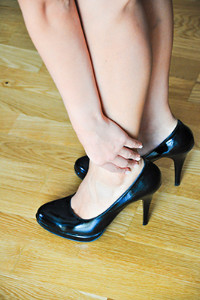 If you choose to wear high heels frequently, you may experience pain that’s common among those selecting to wear this type of shoe. Typically, when high heels are worn, the ankles bend forward, often affecting the circulation in the feet. Most runners are aware of how the arches are affected from wearing high heels and may experience aches and pains in the calves. There are several options available that may help the feet feel their best while running, one of which is limiting the time high heels are worn. It’s important to rest your feet between runs, and this is often accomplished by wearing supportive shoes. Performing proper exercises that stretch and strengthen the feet is beneficial in keeping the feet healthy and may allow the sport of running to be enjoyed to its full potential.
High heels have a history of causing foot and ankle problems. If you have any concerns about your feet or ankles, contact Dr. Gordon Fosdick from Affiliated Foot Care Center. Our doctor can provide the care you need to keep you pain-free and on your feet.
Effects of High Heels on the Feet
High heels are popular shoes among women because of their many styles and societal appeal. Despite this, high heels can still cause many health problems if worn too frequently.
Which Parts of My Body Will Be Affected by High Heels?
What Kinds of Foot Problems Can Develop from Wearing High Heels?
How Can I Still Wear High Heels and Maintain Foot Health?
If you want to wear high heeled shoes, make sure that you are not wearing them every day, as this will help prevent long term physical problems. Try wearing thicker heels as opposed to stilettos to distribute weight more evenly across the feet. Always make sure you are wearing the proper shoes for the right occasion, such as sneakers for exercising. If you walk to work, try carrying your heels with you and changing into them once you arrive at work. Adding inserts to your heels can help cushion your feet and absorb shock. Full foot inserts or metatarsal pads are available.
If you have any questions please feel free to contact our offices located in Middlefield and Wallingford, CT . We offer the newest diagnostic and treatment technologies for all your foot and ankle needs.


 Affiliated Foot Care Center - Default