Middlefield (860) 349-8500
Wallingford (203) 294-4977

Blog

Extensor Tendon Strain Can Cause Foot Pain

Extensor tendonitis is a common foot condition that causes pain along the top of the foot where the extensor tendons are located. These tendons help lift the toes, support foot movement, and maintain proper balance while walking and running. When these tendons become irritated or inflamed from repetitive stress, discomfort and limited mobility can develop. This condition often progresses gradually and may become more difficult to manage if symptoms are ignored.

The most common symptom of extensor tendonitis is pain across the top of the foot that increases during activities such as walking, running, or exercise. Other symptoms may include swelling, tenderness, redness, and occasional bruising. Some individuals experience weakness when lifting their toes or difficulty performing normal daily activities. Wearing shoes that are too tight can place added pressure on the tendons, increasing irritation and delaying recovery.

A major cause of extensor tendonitis is overuse, especially from activities that involve repetitive foot motion. Runners, athletes, and individuals who increase their exercise intensity too quickly may place excessive strain on the extensor tendons. Improper footwear is another common cause, as shoes with a tight toe box or excessive pressure across the top of the foot can restrict movement and contribute to inflammation. Poor foot mechanics, limited flexibility, and inadequate stretching may also increase the risk of developing this condition.

Treatment and prevention focus on reducing stress on the affected tendons and supporting proper foot function. Rest, stretching,  wearing supportive footwear, and activity modification can help improve symptoms. Wearing properly fitted shoes with enough room across the top of the foot can reduce unnecessary pressure. Addressing pain early may help prevent chronic discomfort and recurring injury. If you have pain on the top of your foot and want a proper evaluation, it is suggested that you consult a podiatrist for an accurate diagnosis and appropriate treatment.

Foot Pain

Foot pain can be extremely painful and debilitating. If you have a foot pain, consult with Dr. Gordon Fosdick from Affiliated Foot Care Center. Our doctor will assess your condition and provide you with quality foot and ankle treatment.

Causes

Foot pain is a very broad condition that could be caused by one or more ailments. The most common include:

  • Bunions
  • Hammertoes
  • Plantar Fasciitis
  • Bone Spurs
  • Corns
  • Tarsal Tunnel Syndrome
  • Ingrown Toenails
  • Arthritis (such as Gout, Rheumatoid, and Osteoarthritis)
  • Flat Feet
  • Injury (from stress fractures, broken toe, foot, ankle, Achilles tendon ruptures, and sprains)
  • And more

Diagnosis

To figure out the cause of foot pain, podiatrists utilize several different methods. This can range from simple visual inspections and sensation tests to X-rays and MRI scans. Prior medical history, family medical history, and any recent physical traumatic events will all be taken into consideration for a proper diagnosis.

Treatment

Treatment depends upon the cause of the foot pain. Whether it is resting, staying off the foot, or having surgery; podiatrists have a number of treatment options available for foot pain.

If you have any questions, please feel free to contact our offices located in Middlefield and Wallingford, CT . We offer the newest diagnostic and treatment technologies for all your foot care needs.

Read more about Foot Pain

Signs You Could Have a Broken Foot

A broken foot can affect any of the 26 bones that provide support and movement. A fracture is the medical term for a broken bone. These injuries can happen after a fall, a sports accident, or a heavy object landing on the foot. A broken foot can also result from a car accident or a hard twist of the foot and ankle. Symptoms usually begin with sudden pain that becomes worse while walking or standing. Swelling, bruising, and tenderness are also common. Some patients notice a change in the shape of the foot or have trouble putting weight on it. Prompt treatment is important because walking on a broken foot can cause the injury to become more severe.

A podiatrist performs a detailed examination to determine which bone is injured and how serious the fracture is. The evaluation includes checking the foot for swelling, tenderness, and changes in alignment. The podiatrist also asks how the injury occurred and whether the patient can bear weight on the foot. Imaging tests, like X-rays or CT scans, provide detailed pictures of the bones and help identify fractures that cannot be confirmed by an examination alone. A CT scan uses multiple X-ray images to create detailed cross-sectional views of the foot. An accurate diagnosis allows the podiatrist to select the most appropriate treatment and monitor the healing process.

Treatment depends on the location and severity of the fracture. A podiatrist develops a treatment plan that protects the broken bone while helping restore normal foot function. Care includes a cast, a walking boot, or another device that keeps the bones properly aligned while they heal. Follow-up visits allow the podiatrist to monitor healing and determine when it is safe to increase activity. If you have symptoms of a broken foot, it is suggested that you schedule an appointment with a podiatrist for a diagnosis and appropriate treatment.

A broken foot requires immediate medical attention and treatment. If you need your feet checked, contact Dr. Gordon Fosdick from Affiliated Foot Care Center. Our doctor can provide the care you need to keep you pain-free and on your feet.

Broken Foot Causes, Symptoms, and Treatment

A broken foot is caused by one of the bones in the foot typically breaking when bended, crushed, or stretched beyond its natural capabilities. Usually the location of the fracture indicates how the break occurred, whether it was through an object, fall, or any other type of injury. 

Common Symptoms of Broken Feet:

  • Bruising
  • Pain
  • Redness
  • Swelling
  • Blue in color
  • Numbness
  • Cold
  • Misshapen
  • Cuts
  • Deformities

Those that suspect they have a broken foot shoot seek urgent medical attention where a medical professional could diagnose the severity.

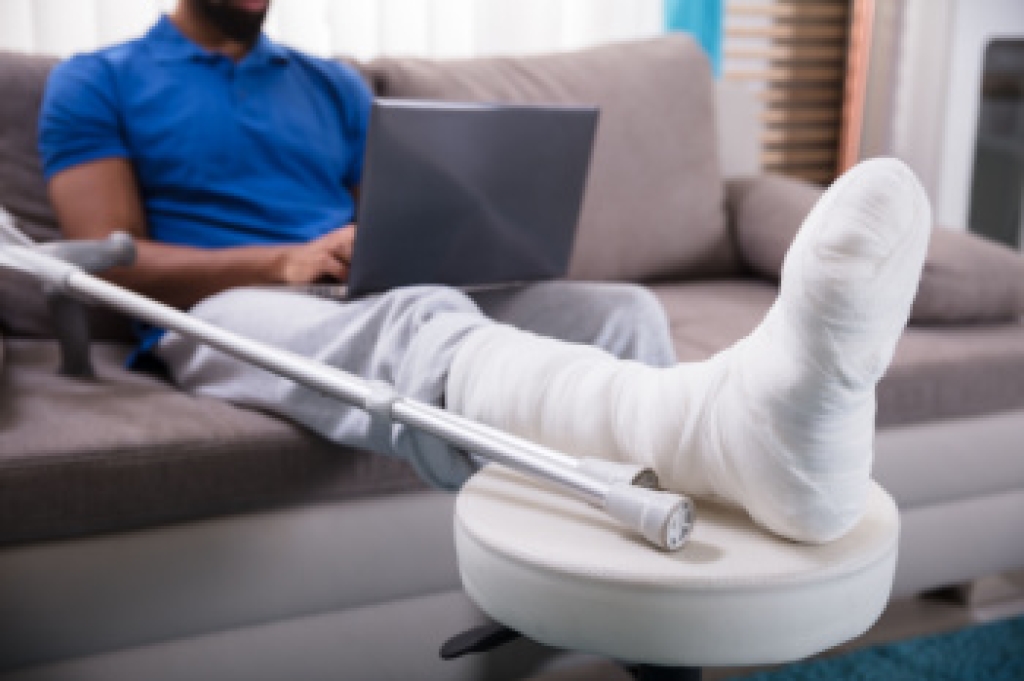
Treatment for broken bones varies depending on the cause, severity and location. Some will require the use of splints, casts or crutches while others could even involve surgery to repair the broken bones. Personal care includes the use of ice and keeping the foot stabilized and elevated.

If you have any questions, please feel free to contact our offices located in Middlefield and Wallingford, CT . We offer the newest diagnostic and treatment technologies for all your foot care needs.

Read more about Causes, Symptoms, and Treatment for a Broken Foot

How Flip-Flops and Sandals Can Cause Foot Pain

Warm-weather footwear is popular because it is lightweight and easy to wear. However, sandals and flip-flops can contribute to foot pain when they do not provide enough support. Many styles have thin soles, limited cushioning, and little stability. As a result, the feet must work harder to maintain balance and absorb impact while walking. This extra strain can affect the muscles, joints, and soft tissues of the feet. Common problems include arch pain, heel pain, and soreness in the ball of the foot. Some people also develop discomfort in the ankles, knees, or lower back because of changes in walking patterns. Wearing flip-flops or sandals that lack adequate support for extended periods of time can place repeated stress on the feet and increase the risk of painful conditions.

Several foot conditions are linked to frequent use of flip-flops and sandals. Plantar fasciitis, which is an irritation of the thick band of tissue along the bottom of the foot, is one common example. Limited arch support can place extra tension on this tissue. Heel pain is another frequent complaint because thin soles provide little shock absorption. Poorly fitting sandals can also cause calluses, blisters, and skin irritation from repeated rubbing. Open-toed sandals also leave the feet more exposed to cuts, scrapes, and other injuries. High-heeled sandals provide limited stability, increasing the risk of ankle sprains when walking on uneven surfaces.

A podiatrist can determine whether footwear is contributing to foot pain and related symptoms. A thorough examination can identify areas of strain, changes in foot structure, and problems with the way a person walks. Digital imaging scans and X-rays may be ordered to evaluate joint alignment and other concerns. Treatment focuses on reducing pain, improving function, and helping patients choose footwear that better supports foot health. Early evaluation can prevent minor discomfort from developing into a more serious problem. If you have foot pain after wearing sandals or flip-flops, it is suggested that you schedule an appointment with a podiatrist for relief and treatment options.

Flip-flops can cause a lot of problems for your feet. If you have any concerns about your feet or ankles, contact Dr. Gordon Fosdick from Affiliated Foot Care Center. Our doctor will assist you with all of your foot and ankle needs.

Flip-Flops and Feet

Flip-flops have managed to become a summer essential for a lot of people. While the shoes may be stylish and easy to slip on and off, they can be dangerous to those who wear them too often. These shoes might protect you from fungal infections such as athlete’s foot, but they can also give you foot pain and sprained ankles if you trip while wearing them.

When Are They Okay to Wear?

Flip-flops should only be worn for very short periods of time. They can help protect your feet in places that are crawling with fungi, such as gym locker rooms. Athlete’s foot and plantar warts are two common fungi that flip-flops may help protect your feet against.

Why Are They Bad for My Feet?

These shoes do not offer any arch support, so they are not ideal for everyday use. They also do not provide shock absorption or heel cushioning which can be problematic for your feet. Additionally, you may suffer from glass cuts, puncture wounds, and stubbed toes since they offer little protection for your feet.

More Reasons Why They Are Bad for Your Feet

  • They Slow You Down
  • May Cause Blisters and Calluses
  • Expose Your Feet to Bacteria

If you have any questions, please feel free to contact our offices located in Middlefield and Wallingford, CT . We offer the newest diagnostic and treatment technologies for all your foot care needs.

Read more about Flipping Out About Flip Flops
Connect with us