
Middlefield (860) 349-8500
Wallingford (203) 294-4977

Blog

Managing Swollen Feet

Swelling of the feet, also known as edema, occurs when fluid builds up in the tissues, causing the feet and ankles to appear puffy, tight, or enlarged. The skin may look shiny or stretched, and pressing on the area can sometimes leave a temporary indentation. Edema can cause discomfort, a heavy feeling, or difficulty fitting into shoes. Common causes include prolonged standing or sitting, injury, poor circulation, and pregnancy. Underlying medical conditions, such as heart, kidney, or vein issues, are other factors. A podiatrist can evaluate the pattern and severity of swelling, check for foot or ankle abnormalities, and help determine if further medical evaluation is needed. Treatment options include compression therapy, supportive footwear, and custom orthotics. Guidance on elevating the feet and improving circulation through targeted exercises may be discussed. Early care can help reduce discomfort and prevent skin changes or ulcers. If you have swelling of the feet, it is suggested that you make an appointment with a podiatrist.

Swollen feet can be a sign of an underlying condition. If you have any concerns, contact Dr. Gordon Fosdick of Affiliated Foot Care Center. Our doctor can provide the care you need to keep you pain-free and on your feet.

Swollen feet are a common ailment among pregnant women and people who stand or sit for extended periods. Aging may increase the possibility of swollen feet and patients who are obese often notice when their feet are swelling too. There may be medical reasons why swollen feet occur:

  • Phlebitis - A condition that causes the veins to become inflamed and can also cause leg pain.
  • Liver disease - This may lead to low blood levels of albumin which is a protein. This can cause fluid in the blood to pass into the tissues and several areas of the body can become swollen.
  • Heart failure - When the heart doesn’t pump properly the blood that is normally pumped back to the heart can pool in the veins of the legs causing swollen feet.
  • Kidney disease - One of the main functions of the kidneys is releasing excess fluid in the body. This type of condition can make it difficult for the kidneys to function properly, and as a result the feet may become swollen.
  • Deep-vein thrombosis (DVT)- This is a serious condition where blood clots form in the veins of the legs. They can block the return of blood from the legs to the heart which may cause the feet to swell. It is important to be treated by a podiatrist if this condition is present.

Swollen feet can also be caused by bone and tendon conditions, including fractures, arthritis, and tendinitis. Additionally, there may be skin and toenail conditions and an infection may cause the feet to swell. Patients who take medicine to treat high blood pressure may be prone to getting swollen feet. 

Many patients elevate their feet to help relieve the swelling and this is generally a temporary remedy. When a podiatrist is consulted the reason behind the swelling can be uncovered and subsequently treated.

If you have any questions please contact our offices located in Middlefield and Wallingford, CT . We offer the newest diagnostic and treatment technologies for all your foot and ankle needs.
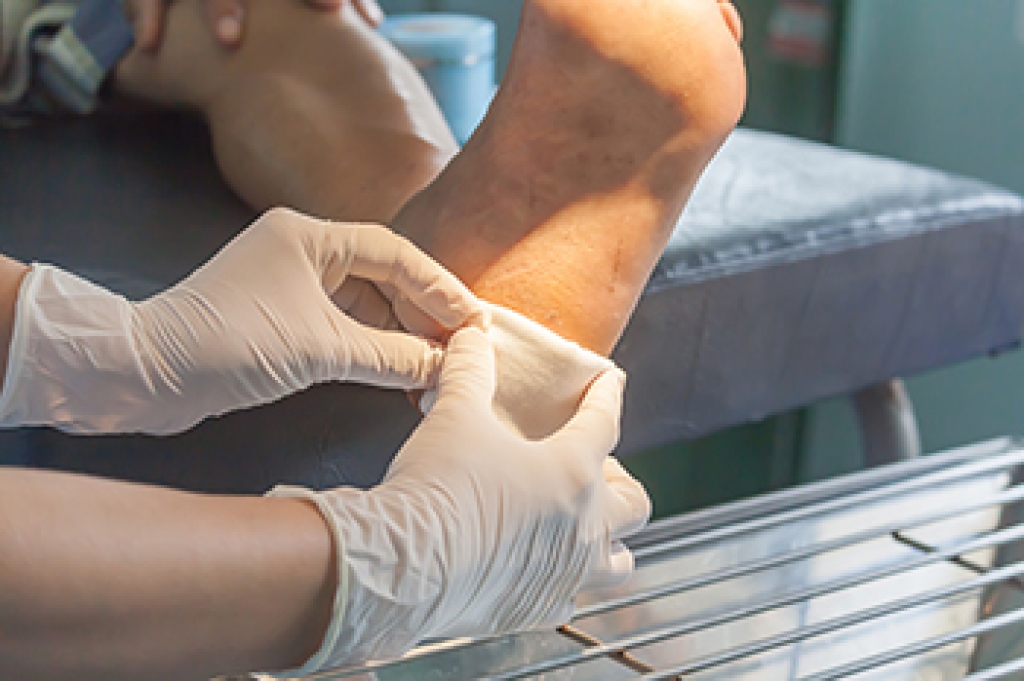

Read more about Swelling of the Feet

Effective Treatments for Diabetic Foot Wounds

Diabetic foot wounds require prompt, specialized care to prevent infection and support healing. Treatment often begins with antimicrobial wound dressings, which help control bacteria and maintain a healthy wound environment. Compression therapy can improve circulation and reduce swelling, especially in patients with vascular concerns. Regular debridement is critical for removing dead or infected tissue, allowing healthy tissue to grow. Advanced therapies like negative pressure wound therapy use controlled suction to promote healing by reducing fluid buildup and increasing blood flow. Off-loading devices, including custom footwear or braces, relieve pressure on the affected area and help prevent further damage. A comprehensive, personalized approach using these treatments can greatly improve healing outcomes and reduce complications. If you or a loved one has a diabetic foot wound, it is suggested that you schedule an appointment with a podiatrist for expert care and prevention.

Wound care is an important part in dealing with diabetes. If you have diabetes and a foot wound or would like more information about wound care for diabetics, consult with Dr. Gordon Fosdick from Affiliated Foot Care Center. Our doctor will assess your condition and provide you with quality foot and ankle treatment.

What Is Wound Care?

Wound care is the practice of taking proper care of a wound. This can range from the smallest to the largest of wounds. While everyone can benefit from proper wound care, it is much more important for diabetics. Diabetics often suffer from poor blood circulation which causes wounds to heal much slower than they would in a non-diabetic. 

What Is the Importance of Wound Care?

While it may not seem apparent with small ulcers on the foot, for diabetics, any size ulcer can become infected. Diabetics often also suffer from neuropathy, or nerve loss. This means they might not even feel when they have an ulcer on their foot. If the wound becomes severely infected, amputation may be necessary. Therefore, it is of the upmost importance to properly care for any and all foot wounds.

How to Care for Wounds

The best way to care for foot wounds is to prevent them. For diabetics, this means daily inspections of the feet for any signs of abnormalities or ulcers. It is also recommended to see a podiatrist several times a year for a foot inspection. If you do have an ulcer, run the wound under water to clear dirt from the wound; then apply antibiotic ointment to the wound and cover with a bandage. Bandages should be changed daily and keeping pressure off the wound is smart. It is advised to see a podiatrist, who can keep an eye on it.

If you have any questions please contact our offices located in Middlefield and Wallingford, CT . We offer the newest diagnostic and treatment technologies for all your foot and ankle needs.

Read more about Wound Care

The Role of a Podiatrist

A podiatrist is a medical specialist dedicated to diagnosing and treating conditions that affect the feet and lower limbs. These foot experts manage a wide range of issues, including hammertoe, bunions, toenail disorders, arthritis, and complications related to diabetes that can impact circulation and nerve health. Because the feet support the entire body, even minor problems can lead to significant discomfort and mobility challenges if left untreated. Podiatrists provide comprehensive care through accurate diagnosis, personalized treatment plans, and preventive strategies to maintain long-term foot health. Their expertise helps patients stay active and avoid more serious complications. If you have foot pain or concerns, it is suggested that you consult a podiatrist who can accurately diagnose and treat foot and ankle conditions. 

If you are dealing with pain in your feet and ankles, you may want to seek help from a podiatrist. Feel free to contact Dr. Gordon Fosdick from Affiliated Foot Care Center. Our doctor can provide the care you need to keep you pain-free and on your feet.

What Is a Podiatrist?

A podiatrist diagnoses and treats conditions of the foot, ankle, and related structures of the leg. Your podiatrist may specialize in a certain field such as sports medicine, wound care, pediatrics, and diabetic care. Podiatrists have the ability to become board certified through training, clinical experience, and then taking an exam.

What Do Podiatrists Do?

On a daily basis, a podiatrist may perform the following activities:

  • Diagnose foot ailments such as ulcers, tumors, fractures, etc.
  • Use innovative methods to treat conditions
  • Use corrective orthotics, casts, and strappings to correct deformities
  • Correct walking patterns and balance
  • Provide individual consultations to patients

It is very important that you take care of your feet. It’s easy to take having healthy feet for granted, however foot problems tend to be among the most common health conditions. Podiatrists can help diagnose and treat a variety of feet related conditions, so it is crucial that you visit one if you need assistance.

If you have any questions, please feel free to contact our offices located in Middlefield and Wallingford, CT . We offer the newest diagnostic and treatment technologies for all your foot care needs.

Read more about What is a Podiatrist?

Understanding Corns and Calluses and How They Are Treated

Corns and calluses are thickened areas of skin that develop from repeated pressure or friction. A corn is a small, focused area of hardened skin that often forms on or between toes and may feel painful due to its deeper core. A callus is a larger, flatter area that usually develops on the bottom of the foot, and may feel rough rather than painful. Treatment begins by reducing the source of pressure, which may include wearing better fitting shoes, padding, or custom orthotics. A podiatrist can safely trim thickened skin to relieve discomfort and improve function. In some cases, underlying foot structure or walking patterns need to be addressed to prevent the return of these problems. Avoid cutting these areas at home, as this can lead to injury or infection. If you have persistent thickened skin or pain on your feet, it is suggested that you see a podiatrist for a proper diagnosis and appropriate care.

If you have any concerns regarding your feet and ankles, contact Dr. Gordon Fosdick of Affiliated Foot Care Center. Our doctor will treat your foot and ankle needs.

Corns: What Are They? and How Do You Get Rid of Them?
Corns can be described as areas of the skin that have thickened to the point of becoming painful or irritating. They are often layers and layers of the skin that have become dry and rough, and are normally smaller than calluses.

Ways to Prevent Corns
There are many ways to get rid of painful corns such as wearing:

  • Well-fitting socks
  • Comfortable shoes that are not tight around your foot
  • Shoes that offer support

Treating Corns
Treatment of corns involves removing the dead skin that has built up in the specific area of the foot. Consult with Our doctor to determine the best treatment option for your case of corns.

If you have any questions, please feel free to contact our offices located in Middlefield and Wallingford, CT . We offer the newest diagnostic and treatment technologies for all your foot care needs.

Read more about Corns and Calluses

Are You Suffering From Ingrown Toenails?

If left untreated, an ingrown toenail can lead to more serious concerns, such as an infection. Knowing proper nail care can help in the prevention of an ingrown toenail. Give us a call, and get treated!

Connect with us