Middlefield (860) 349-8500
Wallingford (203) 294-4977

Blog

Why Do I Keep Getting Blisters on My Feet?

Foot blisters are fluid-filled pockets that form under the skin and can make every step uncomfortable. Friction is a frequent cause, especially when shoes are too tight or rub the same area repeatedly. The clear liquid inside most blisters is called serum, which comes from nearby tissues after the skin is injured. Blood blisters contain blood instead. Friction blisters are usually painful and can interfere with walking, exercise, or work. Although many blisters result from burns, allergies and infections can also cause blistering on the skin.

The appearance and symptoms of a blister can offer clues about its cause. Most blisters are round or oval and contain fluid beneath the skin. Some are painful, while others can itch or cause little discomfort. Blisters linked to infection can look different and may occur with other symptoms. Increasing redness, swelling, or worsening pain around a blister can signal infection. Oozing blood or pus is another warning sign. Blisters with an unknown cause or those that are very painful deserve professional evaluation, especially when they keep returning.

A podiatrist can examine foot blisters to determine what is causing them and whether infection is present. The evaluation can also identify pressure points and areas where shoes are rubbing the skin. For a large or painful blister, a podiatrist can drain it safely and protect the area from infection. A podiatrist can also recommend shoe changes or padding to reduce repeated friction and pressure. Patients with recurring blisters can benefit from an evaluation of foot structure and how their shoes fit. Addressing the source of repeated rubbing can help protect vulnerable areas of skin. If you have symptoms of blisters, it is suggested that you schedule an appointment with a podiatrist for diagnosis and treatment.

Blisters may appear as a single bubble or in a cluster. They can cause a lot of pain and may be filled with pus, blood, or watery serum. If your feet are hurting, contact Dr. Gordon Fosdick of Affiliated Foot Care Center. Our doctor can provide the care you need to keep you pain-free and on your feet.

Foot Blisters

Foot blisters are often the result of friction. This happens due to the constant rubbing from shoes, which can lead to pain.

What Are Foot Blisters?

A foot blister is a small fluid-filled pocket that forms on the upper-most layer of the skin. Blisters are filled with clear fluid and can lead to blood drainage or pus if the area becomes infected.

Symptoms

(Blister symptoms may vary depending on what is causing them)

  • Bubble of skin filled with fluid
  • Redness
  • Moderate to severe pain
  • Itching

Prevention & Treatment

In order to prevent blisters, you should be sure to wear comfortable shoes with socks that cushion your feet and absorb sweat. Breaking a blister open may increase your chances of developing an infection. However, if your blister breaks, you should wash the area with soap and water immediately and then apply a bandage to the affected area. If your blisters cause severe pain it is important that you call your podiatrist right away.

If you have any questions, please feel free to contact our offices located in Middlefield and Wallingford, CT . We offer the newest diagnostic and treatment technologies for all your foot care needs.
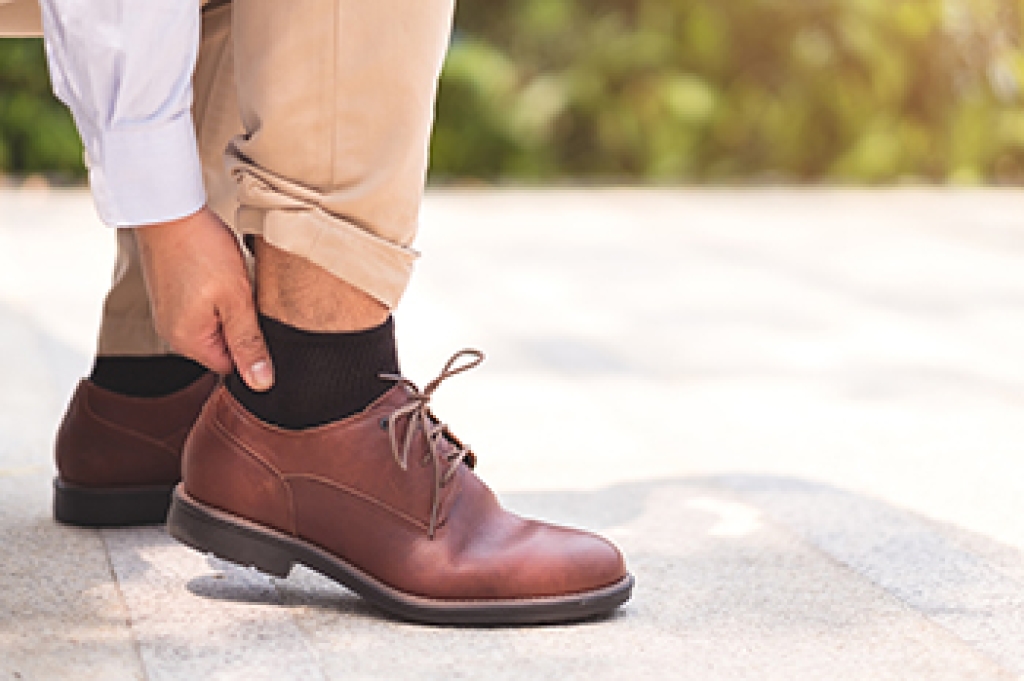
Read more about Blisters

Foot Pain at Work and How to Protect Your Feet

Foot pain while working can develop when your feet spend hours standing, lifting, or moving across hard surfaces. Discomfort may affect the heels, arches, or ankles. Symptoms can include aching, burning, or pain that worsens during a shift. Repeated pressure may also cause blisters, calluses, and other foot problems. Paying attention to early symptoms can help prevent a concern from becoming a longer-lasting problem.

Several factors can increase the risk of foot pain. Wearing poorly fitted shoes is a common cause, especially when footwear is too tight, too loose, or lacks support. Hard floors, long shifts, and heavy loads can also increase strain. Safety footwear is important, but it should still fit comfortably. Steel-toe boots can protect against falling objects, while slip-resistant soles can help reduce the risk of falls on wet surfaces.

Good foot protection starts with footwear designed for your workplace. Safety shoes or boots should provide room for your toes and heel support. Choose sturdy materials that can handle use without creating pressure points. Moisture-wicking socks can help keep feet dry, while replacing worn footwear can restore cushioning and support. If pain continues, a podiatrist can examine your feet, review your work demands, and identify the cause. Treatment may include rest, wearing supportive footwear, or other care.

You do not have to ignore foot pain because it happens during work. A podiatrist may check your walking pattern and examine your skin, joints, and nerves. Imaging tests may be recommended when an injury or structural problem needs evaluation. Following the treatment plan and making footwear changes can support healing and reduce discomfort. If foot pain from wearing the wrong shoes at work is disrupting your day, it is suggested that you consult a podiatrist for an accurate diagnosis and appropriate treatment.

While working on the feet, it is important to take the proper care of them. For more information about working on your feet, contact Dr. Gordon Fosdick from Affiliated Foot Care Center. Our doctor will treat your foot and ankle needs.

Working on Your Feet

Standing on your feet for long periods of time can cause stress and pain in your feet. Your whole body may experience change in terms of posture, back pain, bunions, callouses and or plantar warts. There are ways to avoid these conditions with proper foot care, smart choices and correct posture.

Positive Changes

Negative heeled shoe – Choosing this shoe type places the heel slightly lower than the ball of the foot. These are great for overall foot health. Find shoes that fit you correctly.

Go barefoot – Our feet were not designed to be enclosed for all hours of the day. Try to periodically expose your feet to air.

Eliminate Pain

Foot Exercises – Performing simple exercises, incorporating yoga and doing stretches are beneficial. This will allow increased blood flow to the area and muscles of the foot.

Achilles tendon – Stretching the foot out flat on the floor will relax the calf muscles and tendon. These exercises can be performed almost anywhere. Make sure you add these exercises to your daily regimen. 

With a little bit of this information and knowing more about foot health, you will notice changes. Foot stretches and proper footwear will help with pain and prevent further issues.

If you have any questions please contact our offices located in Middlefield and Wallingford, CT . We offer the newest diagnostic and treatment technologies for all your foot and ankle needs.

Read more about How to Handle a Long Work Day on Your Feet

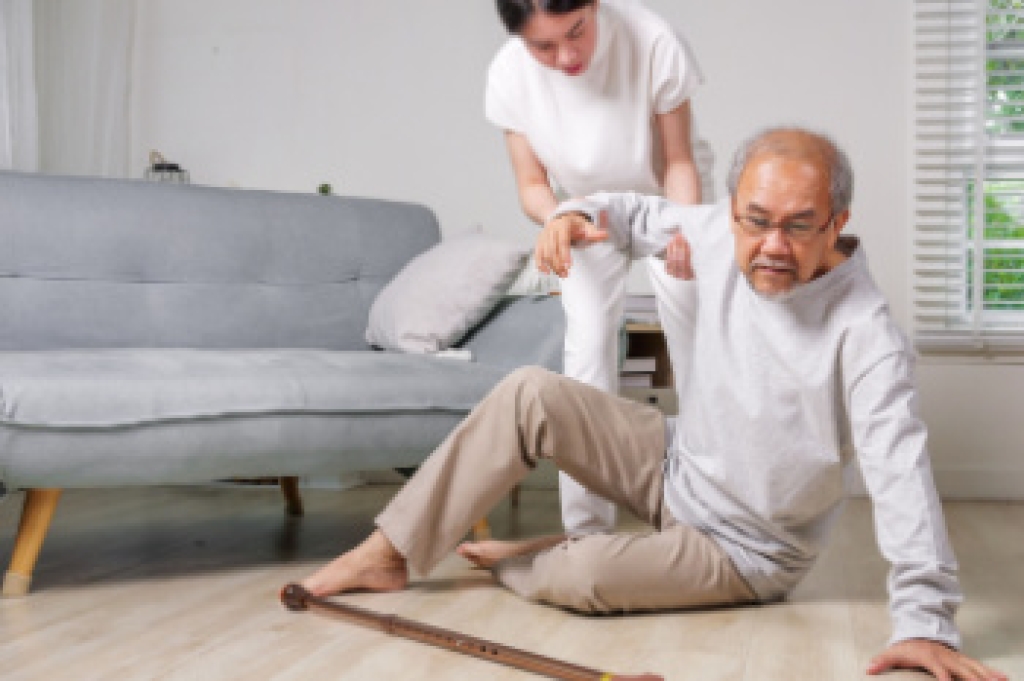
Preventing Falls When Foot and Ankle Joints Are Affected

Falls are sudden events that cause a person to lose balance and land on the floor or another surface. Foot and ankle problems can make falling more likely, especially when pain changes how someone walks. Osteoarthritis of the feet and ankles is one possible contributor. This condition develops when cartilage within a joint breaks down. Symptoms may include joint pain, stiffness, and tenderness. Joint stiffness may also make steps feel less secure.

Several risk factors can increase the chance of falling. Previous falls, poor balance, and vision problems can affect stability. Osteoarthritis may add another concern because joint damage can make the feet and ankles less flexible. Pain may cause shorter steps or uneven weight distribution. Stiff joints can also make it harder to adjust quickly on uneven surfaces. Weak footwear support, cluttered walkways, and poor lighting can further increase fall risk. Other risks include unsuitable shoes and hazards.


Preventing falls starts with addressing problems that affect safe movement. A podiatrist can examine the feet and ankles, review walking patterns, and order imaging tests when joint damage needs evaluation. Treatment may include wearing supportive footwear, custom orthotics, or recommendations for activity changes. A podiatrist may also review current medications and suggest discussing possible side effects with the prescribing provider. At home, removing loose rugs, improving lighting, and clearing clutter may help to prevent falling.


If a fall causes foot or ankle pain, swelling, or difficulty bearing weight, prompt evaluation is important. A podiatrist can determine whether the injury involves a sprain, fracture, or another condition. Treatment may include protection, immobilization, or medication guidance. Preventive care can reduce future risks. If you have foot or ankle pain from falling, it is suggested that you consult a podiatrist for an accurate diagnosis, appropriate treatment, and additional guidance on fall prevention tips.

Preventing falls among the elderly is very important. If you are older and have fallen or fear that you are prone to falling, consult with Dr. Gordon Fosdick from Affiliated Foot Care Center. Our doctor will assess your condition and provide you with quality advice and care.

Every 11 seconds, an elderly American is being treated in an emergency room for a fall related injury. Falls are the leading cause of head and hip injuries for those 65 and older. Due to decreases in strength, balance, senses, and lack of awareness, elderly persons are very susceptible to falling. Thankfully, there are a number of things older persons can do to prevent falls.

How to Prevent Falls

Some effective methods that older persons can do to prevent falls include:

  • Enrolling in strength and balance exercise program to increase balance and strength
  • Periodically having your sight and hearing checked
  • Discuss any medications you have with a doctor to see if it increases the risk of falling
  • Clearing the house of falling hazards and installing devices like grab bars and railings
  • Utilizing a walker or cane
  • Wearing shoes that provide good support and cushioning
  • Talking to family members about falling and increasing awareness

Falling can be a traumatic and embarrassing experience for elderly persons; this can make them less willing to leave the house, and less willing to talk to someone about their fears of falling. Doing such things, however, will increase the likelihood of tripping or losing one’s balance. Knowing the causes of falling and how to prevent them is the best way to mitigate the risk of serious injury.  

If you have any questions, please feel free to contact our offices located in Middlefield and Wallingford, CT . We offer the newest diagnostic and treatment technologies for all your foot care needs.

Read more about Falls Prevention

Heel Pain Can Be Treated!

Do you suffer from heel pain when you get up in the morning? If so, you should seek professional help and have a proper diagnosis performed. Heel pain can be caused by several different foot-related conditions.

Connect with us